How to Create a Personal Budget That Actually Works
Living paycheck to paycheck? Struggling to keep track of your spending? You’re not alone. A personal budget is one of the most effective tools to gain financial control, reduce stress, and start building wealth. But the truth is — most people create budgets they can’t stick to.
In this guide, we’ll show you how to create a practical, easy-to-follow budget that actually works for your lifestyle. Whether you’re a student, full-time employee, or freelancer, these budgeting strategies will help you take charge of your money — once and for all.

Why Most Budgets Fail
Before we build a working budget, let’s address why most don’t stick:
- They’re too restrictive — like a financial diet you can’t sustain
- They don’t account for unexpected expenses
- They don’t align with your actual spending behavior
The key is to create a system that reflects your reality — not one based on guilt or perfection.
Step-by-Step: How to Build a Budget That Works
1. Know Your Numbers
Track your income and expenses over the last 1–2 months. Use a budgeting app like YNAB, Mint, or EveryDollar — or a simple spreadsheet works too.
Track These:
- Income: Salary, side hustle, benefits, etc.
- Fixed expenses: Rent, insurance, loan payments
- Variable expenses: Groceries, transport, entertainment
- Irregular expenses: Annual fees, holidays, birthdays

2. Choose a Budgeting Method
Here are three proven methods you can try:
🟠 50/30/20 Rule
- 50% Needs (rent, food, utilities)
- 30% Wants (dining out, shopping, subscriptions)
- 20% Savings & Debt Repayment
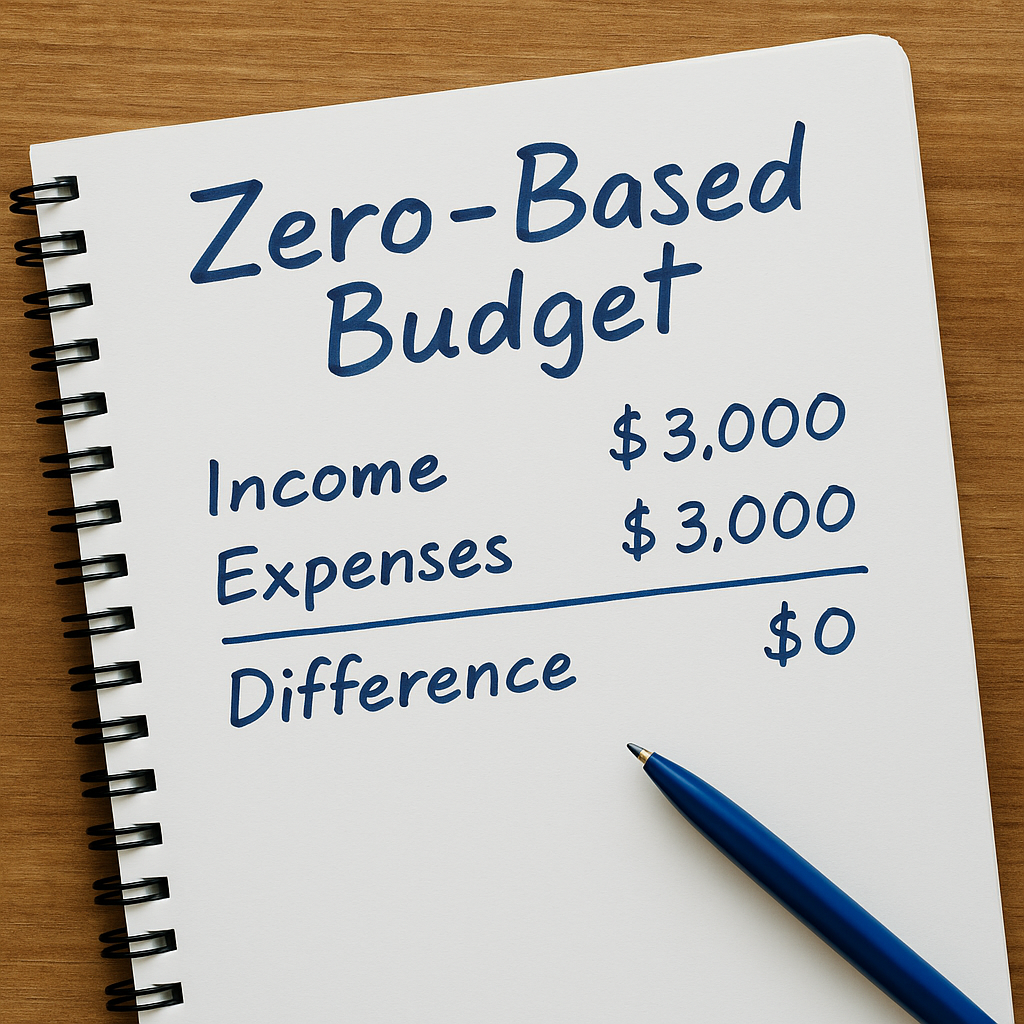
🟢 Zero-Based Budget
Every dollar gets assigned a “job.” Income minus expenses should equal zero. Ideal for detailed planners.
🔵 Pay-Yourself-First
Automate savings first, then budget with what’s left. Great for building emergency funds or retirement savings.
3. Categorize & Set Spending Limits
Break down your expenses by category and assign realistic limits based on your spending history. Example:
| Category | Monthly Limit |
|---|---|
| Groceries | $500 |
| Transportation | $150 |
| Dining Out | $100 |
| Emergency Fund | $200 |
4. Automate What You Can
Set up automatic transfers to savings accounts, investment platforms, or bill payments. Automation removes the temptation to spend before saving.
5. Review & Adjust Monthly
Budgeting is not a one-and-done deal. Review your progress monthly, look for overspending trends, and adjust limits as life changes.
Common Budgeting Mistakes to Avoid
- ❌ Forgetting irregular expenses
- ❌ Setting unrealistic spending limits
- ❌ Budgeting based on your ideal self, not your current self
- ❌ Not tracking progress
Budgeting Tools Worth Trying
- YNAB (You Need a Budget)
- Mint
- EveryDollar
- Google Sheets (Free templates available)
Final Thoughts: Small Wins Lead to Big Change
Creating a budget that actually works doesn’t mean giving up what you love — it means being intentional with your money. Whether you use the 50/30/20 rule or a zero-based budget, the most important part is consistency. The more you practice budgeting, the more confident and financially secure you’ll become.
Start small. Stick with it. Watch your money grow.











 Making Sense Of Your Dollars