Archive | June, 2025
11 Jun

How to Create a Personal Budget That Actually Works

Living paycheck to paycheck? Struggling to keep track of your spending? You’re not alone. A personal budget is one of the most effective tools to gain financial control, reduce stress, and start building wealth. But the truth is — most people create budgets they can’t stick to.

In this guide, we’ll show you how to create a practical, easy-to-follow budget that actually works for your lifestyle. Whether you’re a student, full-time employee, or freelancer, these budgeting strategies will help you take charge of your money — once and for all.

Budget planner on a desk with coffee and calculator

Why Most Budgets Fail

Before we build a working budget, let’s address why most don’t stick:

  • They’re too restrictive — like a financial diet you can’t sustain
  • They don’t account for unexpected expenses
  • They don’t align with your actual spending behavior

The key is to create a system that reflects your reality — not one based on guilt or perfection.

Step-by-Step: How to Build a Budget That Works

1. Know Your Numbers

Track your income and expenses over the last 1–2 months. Use a budgeting app like YNAB, Mint, or EveryDollar — or a simple spreadsheet works too.

Track These:

  • Income: Salary, side hustle, benefits, etc.
  • Fixed expenses: Rent, insurance, loan payments
  • Variable expenses: Groceries, transport, entertainment
  • Irregular expenses: Annual fees, holidays, birthdays

Hands typing on a budgeting spreadsheet

2. Choose a Budgeting Method

Here are three proven methods you can try:

🟠 50/30/20 Rule

  • 50% Needs (rent, food, utilities)
  • 30% Wants (dining out, shopping, subscriptions)
  • 20% Savings & Debt Repayment

🟢 Zero-Based Budget

Every dollar gets assigned a “job.” Income minus expenses should equal zero. Ideal for detailed planners.

🔵 Pay-Yourself-First

Automate savings first, then budget with what’s left. Great for building emergency funds or retirement savings.
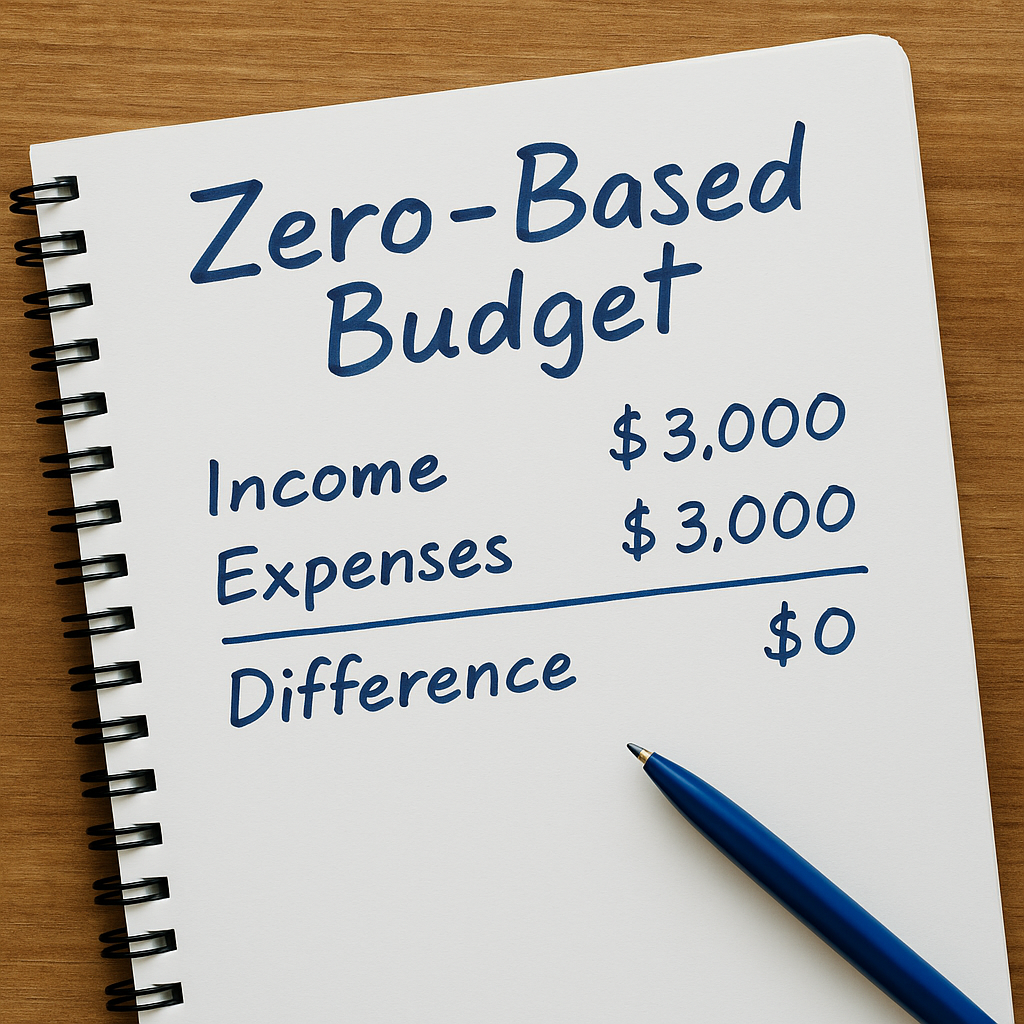
Notebook with zero-based budgeting breakdown

3. Categorize & Set Spending Limits

Break down your expenses by category and assign realistic limits based on your spending history. Example:

Category Monthly Limit
Groceries $500
Transportation $150
Dining Out $100
Emergency Fund $200

4. Automate What You Can

Set up automatic transfers to savings accounts, investment platforms, or bill payments. Automation removes the temptation to spend before saving.

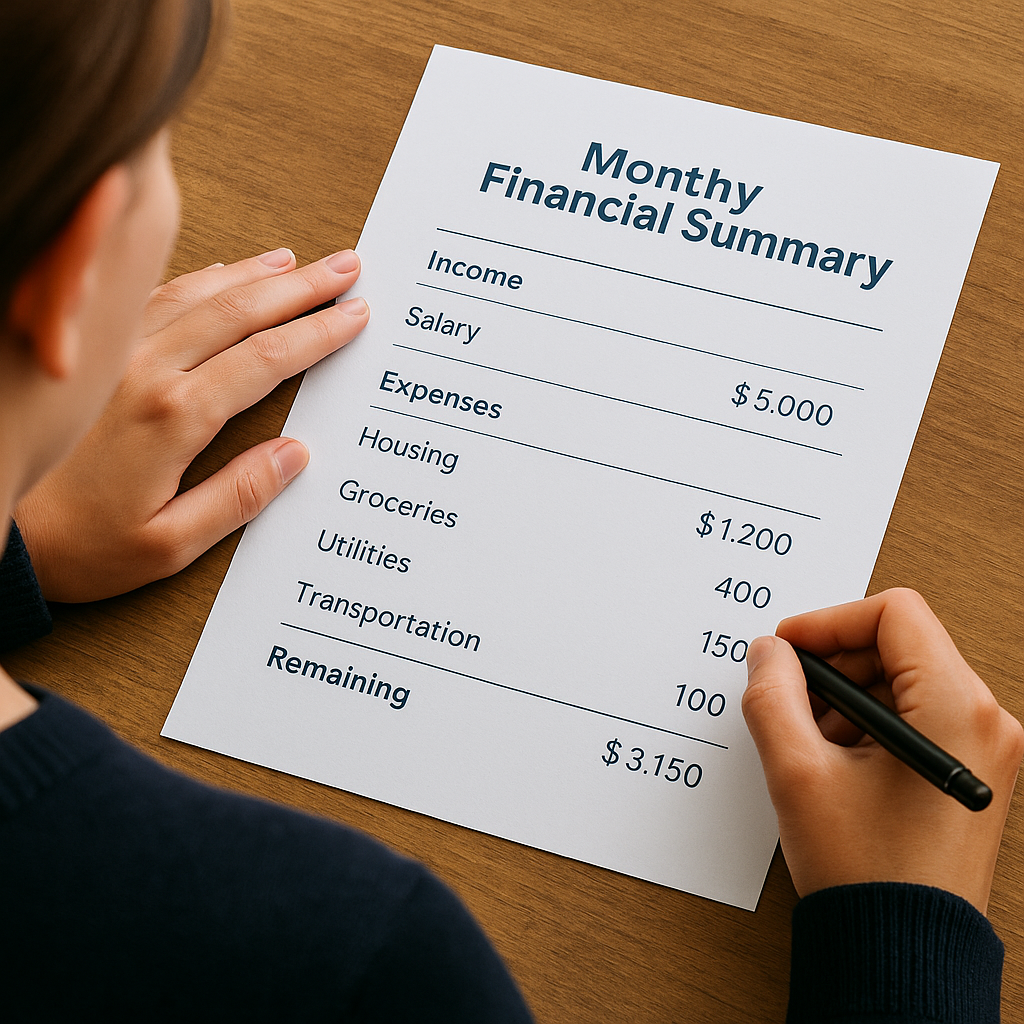
5. Review & Adjust Monthly

Budgeting is not a one-and-done deal. Review your progress monthly, look for overspending trends, and adjust limits as life changes.
Common Budgeting Mistakes to Avoid

  • ❌ Forgetting irregular expenses
  • ❌ Setting unrealistic spending limits
  • ❌ Budgeting based on your ideal self, not your current self
  • ❌ Not tracking progress

Budgeting Tools Worth Trying

Final Thoughts: Small Wins Lead to Big Change

Creating a budget that actually works doesn’t mean giving up what you love — it means being intentional with your money. Whether you use the 50/30/20 rule or a zero-based budget, the most important part is consistency. The more you practice budgeting, the more confident and financially secure you’ll become.

Start small. Stick with it. Watch your money grow.

Financial Literacy for Kids: Teaching Money Management Early

10 Jun

Financial Literacy for Kids: Teaching Money Management Early

In a world increasingly driven by financial decisions, teaching kids about money is no longer optional—it’s essential. Financial literacy for kids is one of the most valuable life skills we can instill early. Whether it’s understanding how money works, the concept of saving, budgeting, or the value of earning, early exposure creates financially confident and responsible adults.

In this guide, we’ll explore the importance of teaching financial literacy to children, age-appropriate strategies, and practical tools and activities parents and educators can use to turn everyday moments into powerful money lessons.

Why Is Financial Literacy for Kids Important?

Children develop core habits around money by the age of 7, according to a study by the University of Cambridge. By then, their attitudes toward saving, spending, and delayed gratification are already forming. Teaching money skills early helps:

  • Build responsible spending habits
  • Prevent debt-related issues later in life
  • Encourage goal-setting and planning
  • Improve confidence in managing money

Let’s face it: kids today are exposed to spending and advertising more than ever before. If we don’t actively teach them about money, the world will teach them—usually the wrong lessons.

When Should You Start Teaching Kids About Money?

Start as early as age 3 to 5 with simple concepts like:

  • Recognizing coins and notes
  • Understanding saving vs. spending
  • Learning where money comes from (e.g., chores or gifts)

By age 7–10, introduce:

  • Allowance budgeting
  • Setting savings goals
  • Making choices with limited funds

Teenagers can move on to:

  • Managing a bank account
  • Understanding interest and credit
  • Basics of investing and compound interest

Key Financial Concepts to Teach Kids

1. Money Comes from Work

Help kids understand that money is earned. Assign tasks with small monetary rewards to show the value of effort.

2. Needs vs. Wants

Teach the difference between needs (food, clothing, shelter) and wants (toys, gadgets, treats).

3. Saving Is Smart

Use visual tools like jars or piggy banks to demonstrate the joy of watching money grow.

4. Spending Wisely

Show how to compare prices, use coupons, and make smart purchasing decisions.

5. Giving Back

Encourage kids to give a portion of their money to a cause. It teaches empathy and social responsibility.

Practical Tools and Activities for Teaching Kids About Money

The Three-Jar Method

Create three jars labeled: Save, Spend, and Give. When kids receive money, guide them to divide it among the jars. This visual system teaches money management and prioritization.

Play Money Games

  • Monopoly: Teaches investment and budgeting
  • The Game of Life: Financial choices and consequences
  • Practical Money Skills: Free online money games

Set Real Savings Goals

Help your child save for a specific item. Create a savings chart to track progress. This builds patience and goal-setting habits.

Create a Mini Budget

Example:

Purpose Amount
Save $2
Spend $5
Give $1

Use Financial Apps for Kids

  • GoHenry – Prepaid debit cards with parental controls
  • BusyKid – Earn, save, invest, and donate
  • PiggyBot – Allowance and chore tracking app

How to Involve Kids in Real-World Financial Learning

  • Grocery shopping: Let them help compare prices and stick to a list
  • Open a savings account: Visit the bank together and explain interest
  • Family budgeting: Involve them in planning meals or outings within a budget
  • Paid chores: Use a reward system for extra effort

Talking About Money Without Stress

Make money conversations a part of daily life. Here’s how:

  • Be honest but age-appropriate: Keep explanations simple and reassuring
  • Model good habits: Kids learn by watching how you save and spend
  • Normalize money talks: Don’t make finances a taboo subject

Resources for Parents and Educators

Books

  • Money Ninja by Mary Nhin
  • Rock, Brock, and the Savings Shock by Sheila Bair
  • The Berenstain Bears’ Trouble with Money

Websites

What Not to Do

  • Don’t give allowance without purpose
  • Don’t avoid money talks
  • Don’t reward every task with money
  • Don’t say “We can’t afford that” without context

The Long-Term Benefits

Kids who learn financial literacy early are more likely to:

  • Avoid credit card debt
  • Start saving and investing earlier
  • Have financial confidence as adults
  • Pass on responsible habits to their own children

Final Thoughts: Start Now, Start Small

You don’t need to be a financial expert to raise one. The earlier you begin teaching kids about money, the better prepared they’ll be to face the real world. Let financial literacy grow with your child—step by step.