Tag Archives: saving money
11 Jun

How to Create a Personal Budget That Actually Works

Living paycheck to paycheck? Struggling to keep track of your spending? You’re not alone. A personal budget is one of the most effective tools to gain financial control, reduce stress, and start building wealth. But the truth is — most people create budgets they can’t stick to.

In this guide, we’ll show you how to create a practical, easy-to-follow budget that actually works for your lifestyle. Whether you’re a student, full-time employee, or freelancer, these budgeting strategies will help you take charge of your money — once and for all.

Budget planner on a desk with coffee and calculator

Why Most Budgets Fail

Before we build a working budget, let’s address why most don’t stick:

  • They’re too restrictive — like a financial diet you can’t sustain
  • They don’t account for unexpected expenses
  • They don’t align with your actual spending behavior

The key is to create a system that reflects your reality — not one based on guilt or perfection.

Step-by-Step: How to Build a Budget That Works

1. Know Your Numbers

Track your income and expenses over the last 1–2 months. Use a budgeting app like YNAB, Mint, or EveryDollar — or a simple spreadsheet works too.

Track These:

  • Income: Salary, side hustle, benefits, etc.
  • Fixed expenses: Rent, insurance, loan payments
  • Variable expenses: Groceries, transport, entertainment
  • Irregular expenses: Annual fees, holidays, birthdays

Hands typing on a budgeting spreadsheet

2. Choose a Budgeting Method

Here are three proven methods you can try:

🟠 50/30/20 Rule

  • 50% Needs (rent, food, utilities)
  • 30% Wants (dining out, shopping, subscriptions)
  • 20% Savings & Debt Repayment

🟢 Zero-Based Budget

Every dollar gets assigned a “job.” Income minus expenses should equal zero. Ideal for detailed planners.

🔵 Pay-Yourself-First

Automate savings first, then budget with what’s left. Great for building emergency funds or retirement savings.
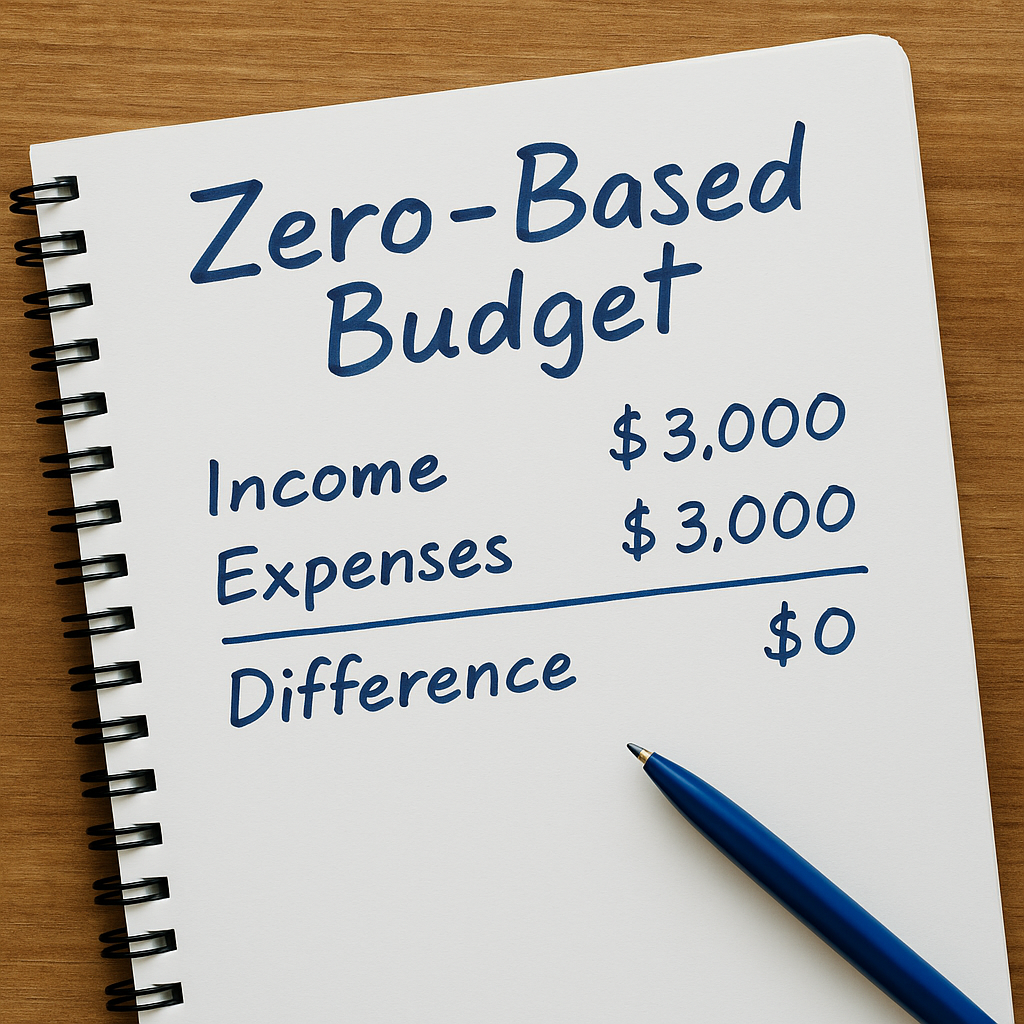
Notebook with zero-based budgeting breakdown

3. Categorize & Set Spending Limits

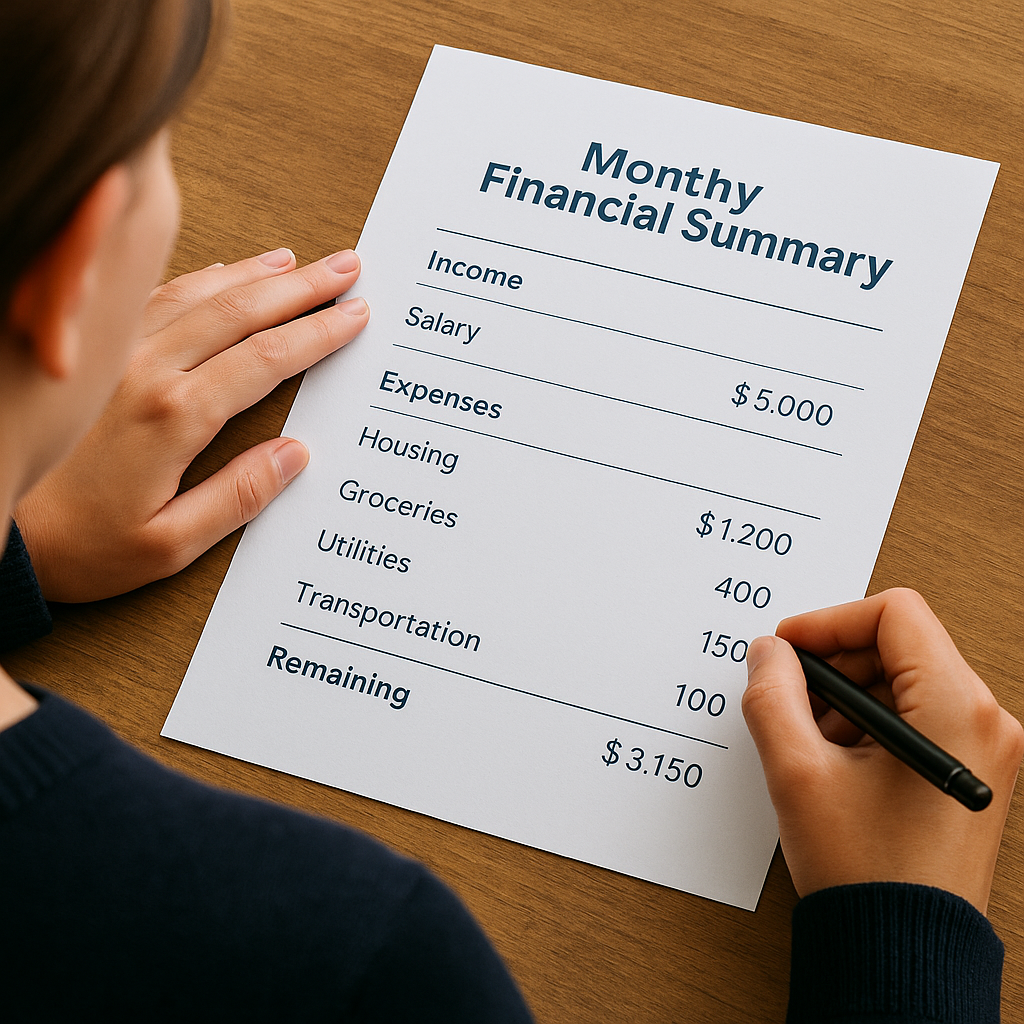
Break down your expenses by category and assign realistic limits based on your spending history. Example:

Category Monthly Limit
Groceries $500
Transportation $150
Dining Out $100
Emergency Fund $200

4. Automate What You Can

Set up automatic transfers to savings accounts, investment platforms, or bill payments. Automation removes the temptation to spend before saving.

5. Review & Adjust Monthly

Budgeting is not a one-and-done deal. Review your progress monthly, look for overspending trends, and adjust limits as life changes.
Common Budgeting Mistakes to Avoid

  • ❌ Forgetting irregular expenses
  • ❌ Setting unrealistic spending limits
  • ❌ Budgeting based on your ideal self, not your current self
  • ❌ Not tracking progress

Budgeting Tools Worth Trying

Final Thoughts: Small Wins Lead to Big Change

Creating a budget that actually works doesn’t mean giving up what you love — it means being intentional with your money. Whether you use the 50/30/20 rule or a zero-based budget, the most important part is consistency. The more you practice budgeting, the more confident and financially secure you’ll become.

Start small. Stick with it. Watch your money grow.
Understanding Financial Debt: The Good, The Bad, and Everything In Between.

7 Jan

In the world of personal finance, the term “debt” often carries a negative connotation. However, not all debt is created equal. Understanding the differences between good and bad debt is crucial for making informed financial decisions that can lead to long-term stability and growth.

In this blog post, we’ll explore the distinctions between good and bad debt, their pros and cons, and tips for managing them effectively, no matter what your current situation is.


What is Good Debt?

Good debt refers to borrowing that can potentially enhance your financial situation or increase your wealth over time. It usually involves investments that can yield returns greater than the cost of the debt.

Examples of Good Debt:

1. Student Loans: Investing in education can lead to higher earning potential and career advancement.

2. Mortgages: Buying real estate can appreciate over time, providing a valuable asset.

3. Business Loans: Funding a business can lead to income generation and financial independence.

Pros of Good Debt:

– Potential for Growth: Good debt can lead to increased income and wealth.

– Tax Benefits: Interest on certain types of good debt, like mortgages, may be tax-deductible.

– Improved Credit Score: Responsible management of good debt can enhance your credit rating.

Cons of Good Debt:

– Risk of Overextending: Borrowing too much can lead to financial strain if income doesn’t meet expectations.

– Long-Term Commitment: Good debt often involves long repayment periods, which can be daunting.


What is Bad Debt?

Bad debt, on the other hand, consists of borrowing that does not provide any long-term value and typically comes with high-interest rates. It often arises from consumer purchases that depreciate in value.

Examples of Bad Debt:

1. Credit Card Debt: Unpaid balances can accumulate high-interest charges, making it difficult to pay off.

2. Payday Loans: These loans often come with exorbitant interest rates and can trap borrowers in a cycle of debt.

3. Auto Loans for Depreciating Assets: Cars lose value quickly, and financing them can result in owing more than the vehicle is worth.

Pros of Bad Debt:

– Immediate Gratification: Bad debt can provide instant access to goods and services.

– Building Credit History: Responsible use of credit cards can help build a credit score, though it’s often risky.

Cons of Bad Debt:

– High-Interest Rates: Bad debt typically carries higher interest rates, leading to significant financial strain.

– Financial Instability: Relying on bad debt can lead to a cycle of debt that can be hard to escape.

– Depreciation: The items purchased often lose value quickly, leaving borrowers with little to show for their investment.

He who is quick to borrow, is slow to pay.

– German Proverb

How to Manage Debt Wisely

1. Evaluate Your Debt: Classify your debts into good and bad categories to understand their impact on your financial health.

2. Prioritise Payments: Focus on paying off bad debt first to reduce interest costs and financial stress.

3. Create a Budget: Establish a budget that allows you to allocate funds toward debt repayment while saving for future investments.

4. Seek Professional Advice: If you’re struggling with debt, consider speaking to a financial advisor for personalized guidance.


Understanding the differences between good and bad debt is essential for making informed financial decisions. While good debt can be a powerful tool for building wealth, bad debt can lead to financial distress. By managing your debt wisely and making strategic borrowing decisions, you can improve your financial health and work towards a more secure future.

Remember to evaluate your financial situation regularly and adjust your strategies as needed to stay on the path to financial success.


The information provided on this page is for informational purposes only and should not be considered financial advice. Always seek the advice of a qualified financial professional before making any financial decisions.

5 Ways to Kick Start Your Financial Journey in the New Year

7 Jan

As the new year dawns, many of us contemplate fresh beginnings and set ambitious goals. One of the most impactful resolutions you can make is to take charge of your financial journey. Whether you’re looking to save for a dream vacation, pay off debt, or invest for the future, this year can be the turning point in your financial life. Here are five effective strategies to help you kick start your financial journey, make your money work for you, set actionable goals, and stick to them!

1. Assess Your Current Financial Situation

Before you can make any meaningful changes, it’s essential to understand where you currently stand financially. Start by taking stock of your income, expenses, debts, and savings. Create a detailed budget that outlines your monthly cash flow. This assessment will provide clarity on your financial health and highlight areas that need improvement. Use budgeting tools or apps to help you visualize your financial situation.

2. Set Yourself SMART Financial Goals

Once you have a clear picture of your finances, it’s time to set specific, measurable, achievable, relevant, and time-bound (SMART) financial goals. Instead of vague objectives like “I want to save more,” aim for something concrete like “I will save $5,000 for a vacation by December 31.” Break these goals down into smaller milestones to make them more manageable and trackable. This approach will keep you motivated and focused throughout the year.

3. Automate Your Savings and Investments

One of the best ways to make your money work for you is to automate your savings and investments. Set up automatic transfers from your checking account to your savings or investment accounts. This ‘pay yourself first’ strategy ensures you prioritize saving before you have a chance to spend. Consider using high-yield savings accounts or investment platforms that offer compound interest to maximize your returns.

4. Educate Yourself About Personal Finance

Knowledge is power, especially in the realm of personal finance. Take the time to educate yourself about various financial topics, such as budgeting, investing, retirement planning, and debt management. Read books, take online courses, or listen to finance podcasts. The more you know, the better equipped you will be to make informed financial decisions and adapt to changes in the market.

5. Review and Adjust Your Financial Plan Regularly

Setting your financial goals is only the beginning; sticking to them requires ongoing effort and adjustment. Schedule regular reviews of your financial plan—monthly or quarterly—and assess your progress. Are you on track to meet your goals? Do you need to adjust your budget or savings rate? Life circumstances can change, so it’s crucial to remain flexible and adapt your plan as needed to stay aligned with your objectives.


Do not save what is left after spending, but spend what is left after saving.

Warren Buffet


Kicking off your financial journey in the new year requires commitment, discipline, and a clear strategy. By assessing your current financial situation, setting SMART goals, automating your savings, educating yourself, and regularly reviewing your progress, you can pave the way for financial success. Remember, the key is to start small and stay consistent. With determination and the right approach, you can achieve your financial aspirations and make your money work for you.

Here’s to a prosperous new year!


The information provided on this page is for informational purposes only and should not be considered financial advice. Always seek the advice of a qualified financial professional before making any financial decisions.

Minimizing Investment Risks: A Guide to Secure Investing

14 Aug

Investing can be an exciting and profitable venture, but it’s essential to be aware of the risks that come with it. By understanding these risks and implementing strategies to minimize them, you can make smarter investment decisions. In this blog post, we will explore the various risks associated with investing and provide practical tips on how to mitigate them effectively.

1. Market Volatility:

Market volatility is one of the primary risks investors face. Fluctuations in stock prices, interest rates, and economic conditions can significantly impact investment returns. To minimize this risk:

a. Diversify your portfolio: Invest in different asset classes, such as stocks, bonds, and real estate, across various sectors and geographic regions. This diversification can help reduce the impact of market volatility on your overall portfolio.

b. Dollar-cost averaging: Instead of investing a lump sum, consider investing a fixed amount regularly over time. This strategy allows you to buy more shares when prices are low and fewer shares when prices are high, potentially reducing the impact of market fluctuations.

2. Inflation Risk:

Inflation can erode the purchasing power of your investments over time. To combat this risk:

a. Invest in inflation-protected securities: Consider including investments like Treasury Inflation-Protected Securities (TIPS) or commodities that tend to perform well during inflationary periods. These investments can help safeguard your portfolio against the erosion of value caused by rising prices.

b. Review your investment strategy: Regularly review your investment strategy to ensure it aligns with your long-term goals. Adjusting your asset allocation to include investments that historically have performed well during inflationary periods can help mitigate the impact of rising prices.

3. Liquidity Risk:

Liquidity risk refers to the possibility of not being able to quickly sell an investment without incurring significant losses. To minimize liquidity risk:

a. Maintain an emergency fund: Have a separate fund set aside for unexpected expenses or emergencies. This fund should be easily accessible, such as in a savings account, to avoid the need to liquidate investments at unfavorable times.

b. Research investment liquidity: Before investing in any asset, thoroughly research its liquidity characteristics. Some investments, such as real estate or certain types of bonds, may have limited liquidity. Understanding this beforehand can help you make informed investment decisions.

4. Regulatory and Legislative Risk:

Changes in regulations and legislation can have a significant impact on investment returns. To navigate this risk:

a. Stay informed: Keep yourself updated on current financial news and regulatory changes. Regularly review your investments in light of any new developments to assess their potential impact.

b. Diversify across sectors and countries: Investing in a diverse range of sectors and countries can help mitigate the impact of regulatory or legislative changes in any one market.

Investing inherently involves risks, but by employing strategies to minimize those risks, you can enhance your chances of achieving long-term investment success. Diversification, staying informed, and regularly reviewing your investment strategy are key steps to mitigate risks associated with investing. By implementing these practices, you can navigate the investment landscape with greater confidence and increase your chances of reaching your financial goals. Remember, it’s crucial to consult with a financial advisor before making any investment decisions tailored to your specific circumstances.

Smart Money Management: Building Your Savings for a Secure Future

2 Aug

A budget is telling your money where to go instead of wondering where it went.

– John Maxwell

Managing your money effectively is essential for building savings and achieving financial security. By adopting smart strategies and making informed decisions, you can take control of your finances and build a substantial nest egg. In this script, we will explore key principles and practical tips for effectively managing your money and building your savings.

1. Create a Budget:

Establishing a budget is the foundation of effective money management. Start by tracking your income and expenses to understand where your money is going. Categorize your expenses, prioritize essential needs, and identify areas where you can cut back. Allocating a portion of your income for savings is crucial. Use budgeting apps or spreadsheets to monitor your progress and make adjustments as needed.

2. Set Financial Goals:

Define clear financial goals to give your money management strategy purpose and direction. Whether it’s saving for a down payment on a house, building an emergency fund, or planning for retirement, having specific goals helps you stay motivated and focused. Break down larger goals into smaller, achievable milestones, and celebrate your progress along the way.

3. Automate Savings:

Take advantage of automation to make saving effortless. Set up automatic transfers from your checking account to a dedicated savings account. This ensures that a portion of your income is consistently set aside before you have a chance to spend it. Over time, these regular contributions will accumulate, helping you build a substantial savings cushion.

4. Minimize Debt:

Debt can hinder your ability to save and put financial strain on your life. Prioritize paying down high-interest debts, such as credit cards or personal loans. Consider debt consolidation or negotiating lower interest rates to accelerate the repayment process. By minimizing debt, you’ll free up more money to channel towards savings and improve your overall financial health.

5. Cut Expenses:

Identify opportunities to reduce unnecessary expenses and maximize your savings potential. Review your monthly bills and subscriptions, negotiate lower rates, or consider switching to more cost-effective alternatives. Additionally, practice mindful spending by distinguishing between needs and wants, avoiding impulse purchases, and shopping for the best deals.

6. Increase Your Income:

Boosting your income can significantly accelerate your savings growth. Explore opportunities for side hustles, freelance work, or passive income streams. Leverage your skills, hobbies, or expertise to generate additional revenue. Invest in personal and professional development to enhance your earning potential in your primary career.

7. Prioritize Retirement Savings:

Building retirement savings is a critical aspect of long-term financial planning. Contribute to retirement accounts like 401(k)s or IRAs, taking advantage of any employer matching programs. Start early to benefit from the power of compounding interest and consider increasing your contributions as your income grows.

8. Emergency Fund:

Establishing an emergency fund is vital for financial security. Aim to save three to six months’ worth of living expenses in a readily accessible account. This fund will protect you from unforeseen expenses, job loss, or medical emergencies, preventing you from dipping into long-term savings or going into debt.

Effectively managing your money and building your savings requires discipline, planning, and a commitment to your financial goals. By creating a budget, setting clear objectives, automating savings, minimizing debt, cutting expenses, increasing your income, prioritizing retirement savings, and establishing an emergency fund, you’ll be well on your way to financial security. Remember, small steps taken consistently over time can lead to significant savings and a brighter financial future.